Ever looked at that DIY project in your home that’s been sitting unfinished for months—maybe even years?
You feel the pressure to get it done, but there’s no energy or motivation to start. You’re not alone. Many people find that unfinished home improvement projects can trigger anxiety, overwhelm, and even guilt.
As a full-time worker, carer for my wife, and parent of three children, I’ve felt firsthand how an uncompleted DIY job can send my stress levels through the roof. I’ll do almost anything to avoid it, but the pressure to complete it never really goes away.
Your home isn’t the only thing you’re building—you’re also building your resilience.
Why Unfinished DIY Projects Can Cause Anxiety
Think about your home right now—what jobs have you been avoiding? Are they small or big tasks? Are they half completed? Why did you stop?
For me, the main reasons are:
Fear of failure – worrying that if it’s not done perfectly, I’ll feel I’ve let myself down.
Perfectionism – an unhealthy obsession with getting everything “just right.”
Extra workload worries – knowing that finishing the job often means tidying up, more repairs, or other follow-up tasks.
Guilt over lost leisure time – especially when it takes me away from hobbies like gaming.
These are common mental barriers that can make even a simple project feel overwhelming.
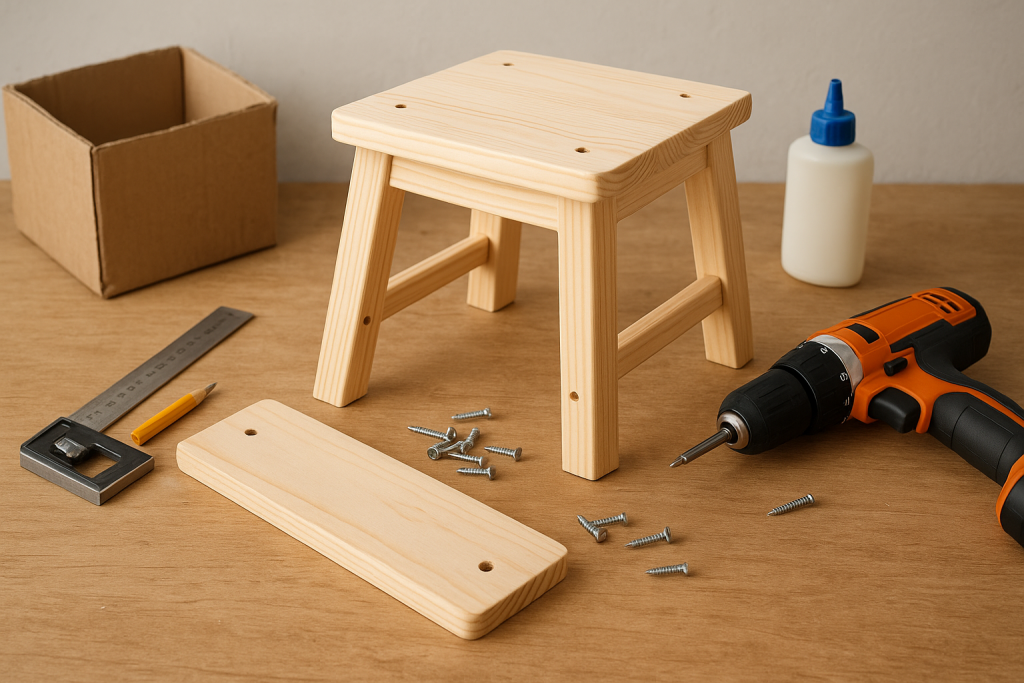

5 Ways to Reduce DIY Stress and Support Your Mental Health
1 – Set Realistic Deadlines
If a job will take two days, give yourself three. Break the work into small chunks, but have a clear end date in mind.
2 – Let Go of Perfection
You’re not a professional—and even they make mistakes. Focus on progress, not flawlessness. Before-and-after photos can remind you how far you’ve come.
3 – Find the Positives
Learning a new skill can be a huge confidence boost. Stress, in manageable doses, can actually train your mind to focus better and tackle future tasks with more resilience.
4 – Ask for Help
Seeking support isn’t weakness—it’s strength. Sharing a project can lead to meaningful conversations and even make the task enjoyable.
5 – Reward Yourself (Healthily)
Celebrate your progress. Pick a reward that’s personal and uplifting—extra time in bed, a favourite TV episode, or some guilt-free gaming.
Remember: You’re Not Alone
Statistically, 47% of DIY projects are abandoned for a variety of reasons. You haven’t failed—you just haven’t found the right mental tools yet.
By breaking tasks down, reducing perfectionism, and recognising your achievements, you can turn DIY into an opportunity for self-improvement, not stress.
Leave a Reply